Resend
Resend is an email platform tailored for developer teams, housing transactional notifications and marketing broadcasts within a single service. Developers can integrate email sending into applications using various language SDKs, APIs, or SMTP, simulate events with test mode, and track delivery status with real-time notifications and detailed logs, making it suitable for teams needing to maintain product email workflows.
Product screenshots
About Resend
Resend is an email platform tailored for developer teams, housing transactional notifications and marketing broadcasts within a single service. Developers can integrate email sending into applications using various language SDKs, APIs, or SMTP, simulate events with test mode, and track delivery status with real-time notifications and detailed logs, making it suitable for teams needing to maintain product email workflows.
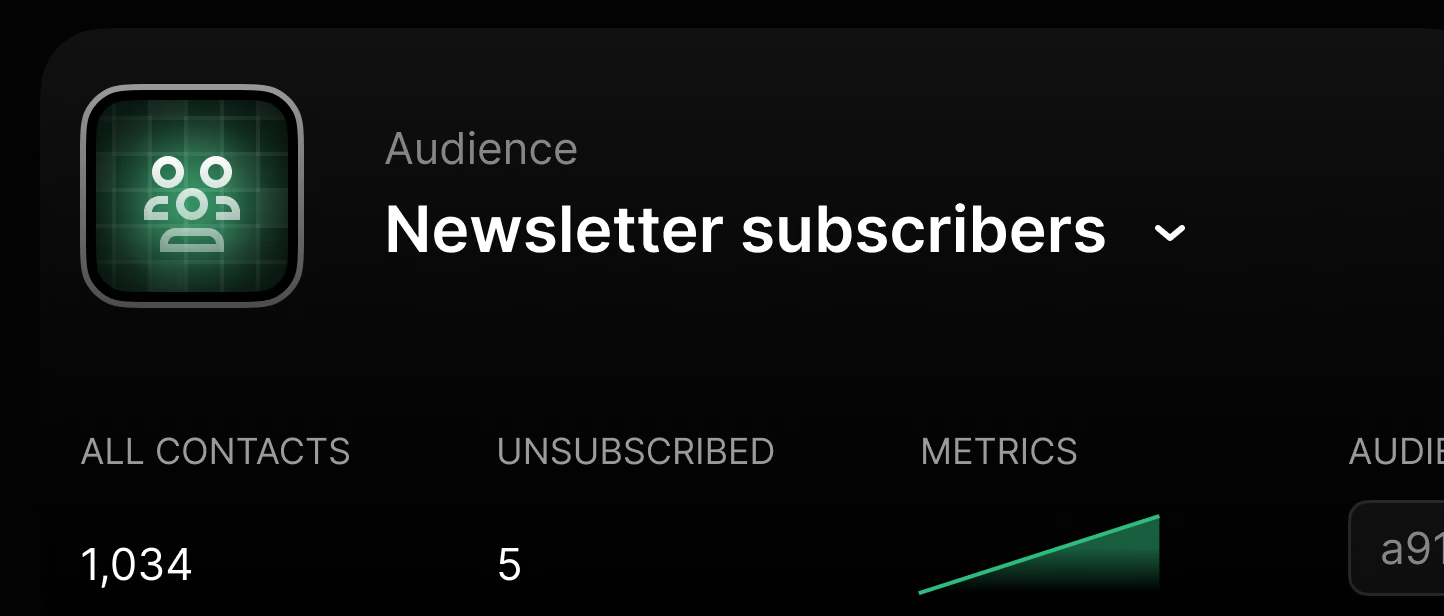
Marketers can import contact lists, draft newsletters in the visual editor, add personalization variables, schedule mass mailings, and review open, click, bounce, and unsubscribe data. It also provides domain verification, sender reputation monitoring, multi-region sending, and unsubscribe exclusion mechanisms to keep content production, list management, and technical delivery maintenance working together.
Features
- Programmatic email delivery: Connect applications via multi-language SDKs, REST APIs, or SMTP, with support for batch and scheduled sending.
- Email receiving and inbox: Provides incoming mail and inbox features; received emails consume transactional email quotas.
- Test mode: Simulate email events and test the API to avoid sending real emails to recipients during testing.
- Real-time event notifications: Notify your own server of delivery, open, click, and bounce events via webhooks.
- React email templates: Build email content using React Email components, reducing the work of directly handling table layouts and HTML.
- Visual newsletter editor: Use the WYSIWYG editor to add images, buttons, lists, and unsubscribe footers, adjust individual or overall styles, and also support Markdown.
- Personalization and bulk scheduling: Insert variables such as names and set fallback content for missing values, and use natural language to schedule later sending.
- Contact management: Add contacts via API, CSV, or manual entry, manage groups and individual attributes, and integrate contact operations into applications.
- Unsubscribes and delivery exclusions: Manage the unsubscribe process, skip unsubscribed contacts in subsequent bulk mailings, and use exclusion lists to avoid repeatedly sending to recipients who do not wish to receive mail.
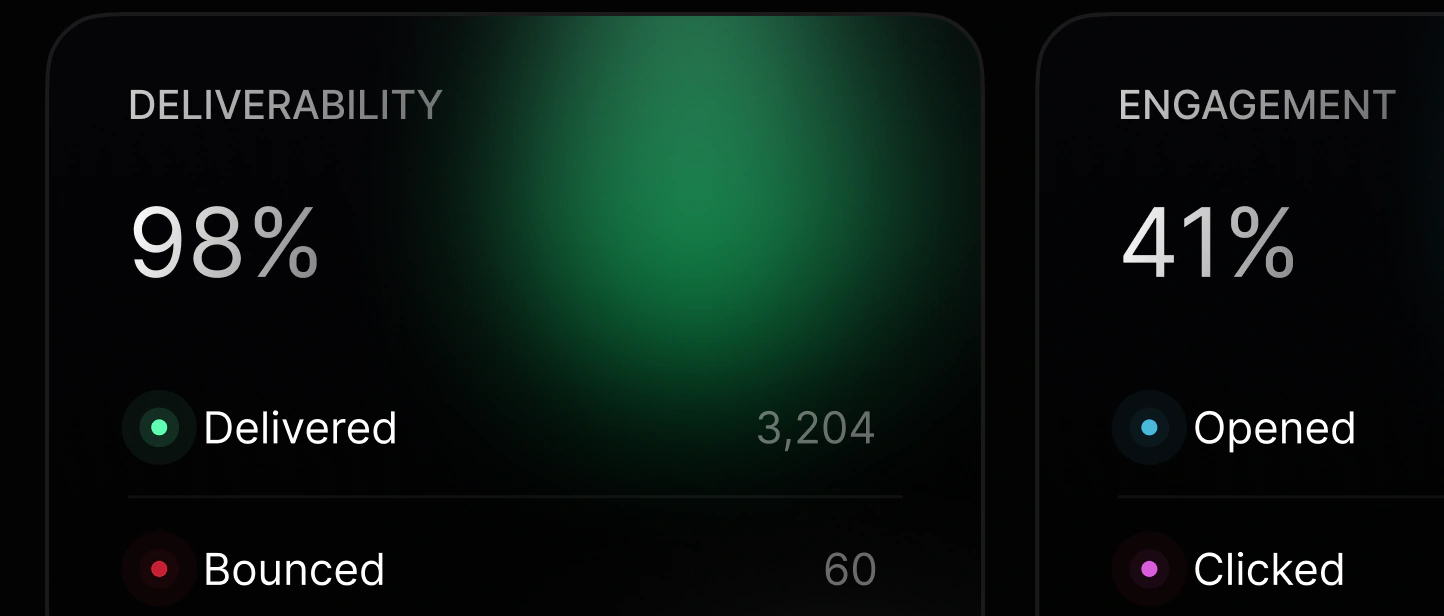
- Performance analysis and sending logs: View delivery, bounce, open, click, unsubscribe, and complaint data, and track individual recipient interactions and sending logs.
- Sender domain verification: Supports DKIM, SPF, and DMARC, and provides BIMI brand indicator and VMC acquisition guidelines.
- Reputation and DNS monitoring: Track whether domains are blocklisted, generate removal requests, and monitor DNS configuration changes that may affect deliverability.
- Multi-region and dedicated IP: Provides cross-region sending; users meeting plan and usage conditions can purchase managed dedicated IPs, with the service handling warm-up, monitoring, and scaling.
- Bulk queues and APIs: Break large volumes of emails into smaller batches and send them at intervals, and create, modify, and immediately or scheduled send bulk emails via API.
Use cases
- Development teams integrate welcome emails, password resets, or invitation emails into applications, first verifying the flow using test mode, and then tracking delivery results through event notifications.
- Content teams import newsletter subscription lists, draft personalized emails in the editor and schedule bulk sends, and then analyze open rates and link click performance.
- Teams managing multiple sending domains use domain verification, DNS, and blocklist monitoring to investigate configuration issues that may affect email deliverability.
Categories: Deployment, Backend & Infrastructure
Pricing
Transactional email free plan includes 3,000 emails per month with a daily limit of 100; Pro is $20 per month, including 50,000 emails; Scale is $90 per month, including 100,000 emails; contact sales for enterprise plan pricing. Paid overages and add-ons are billed separately. Source does not specify currency, nor does it provide marketing email plan pricing.